Northwest Environmental handles pest control for homes and businesses across Southport, including Birkdale, Churchtown and Ainsdale. We treat rats and mice, wasps, bed bugs, cockroaches, squirrels, gulls and pigeons, with visits and follow-ups scheduled from our Warrington base. To book, call us or send the enquiry form with your postcode and the pest you have seen.
Why does a low-lying seaside town have so many rats?
Southport sits on the West Lancashire Coastal Plain, and most of it is only just above sea level. Until new sea defences were finished in 2002, high tides regularly closed Marine Drive. Water shapes the north of the town as well: Crossens stood on the shore of Martin Mere, at the seaward end of Crossens Sluice, and the mere has since been drained, with a pumping station built on Banks Road in 1959. Ditches, sluices and drained ground suit brown rats, which need water every day and soft banks to dig into.
The edges of town matter as much as the drains. Kew borders Scarisbrick, the hospital there was built on Blowick Moss, Birkdale’s eastern side runs into Halsall farmland, and flower and vegetable farms work the fertile soil in the east of Crossens. When crops are lifted in autumn, rats and wood mice move towards the nearest sheds, compost bins and garden decking, and towards business yards and bin stores on the edge of town.
Our Rat & Mouse Control visits here therefore start outside. We walk boundary ditches and fence lines for runs and burrows, lift drain covers where we can, and only then choose between trapping and baiting in locked, tamper-resistant stations out of reach of children and pets. Where a problem traces back to a broken drain, we show you where the fault is.
How do Victorian villas, thatched cottages and new estates differ?
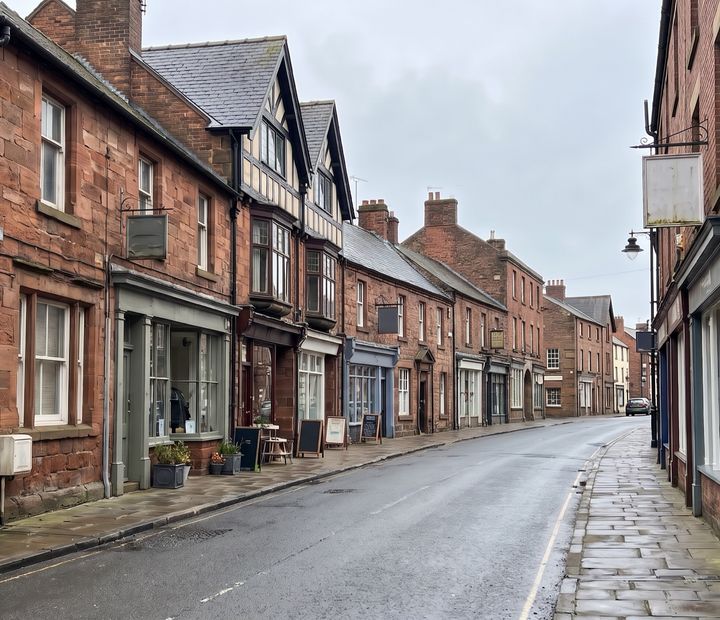
Each part of Southport gives pests its own way in. Birkdale, immediately south of the centre, was developed in the Victorian era; an 1894 map already shows its station surrounded by streets of houses, churches and schools. Homes of that age often have suspended timber floors, airbricks, shared walls and deep lofts, which let mice move between neighbouring properties and give wasps and squirrels a sheltered place to settle.
Churchtown feels different. The old North Meols village character survives, a preservation order covers much of Botanic Road, and a few thatched cottages still stand. Thatch and old roof timbers suit nesting wasps and roosting birds, and proofing here must not damage historic fabric, so we use removable mesh and soft fillers rather than heavy fixings.
Further out, the Kew estates went up in phases from about 1974, with a third development begun around 2014 and nearly finished by 2024. Ainsdale gained the Village Row estate near its station in 2006 and another estate in 2013. Newer houses are tighter, but they sit on the edge of town near moss, farmland or dunes, and building work on nearby plots can push rodents out. Gaps around service pipes, weep vents and garage door seals are the usual entry points on these streets.
Dunes run for several miles from Woodvale to Birkdale, and the Ainsdale dunes are a national nature reserve and Ramsar site. On properties near protected land we keep any rodenticide strictly inside stations, check them on a set timetable and lean towards traps wherever wildlife could reach the bait.
Gulls, pigeons and listed frontages on Lord Street and the Promenade
Lord Street runs for a mile between two roundabouts and was laid out early in the nineteenth century. Many of its shops trade beneath glazed canopies on cast-iron verandahs, the Promenade has its own listed hotels and seafront buildings, and Grade II hotels such as the Royal Clifton, the Bold and the Hoghton Arms date from between the 1830s and the 1850s. Ledges, canopy roofs and ironwork make good perches for pigeons and flat platforms for nesting gulls, and droppings on the glass above a shop doorway are hard for customers to miss.
Sefton Council does not deal with pigeons, so this is always private work. Gulls and feral pigeons are protected under the Wildlife and Countryside Act 1981, and nests in use can only be disturbed within the terms of a licence. Our Bird Control & Proofing work therefore aims to keep birds off before nesting begins in spring, using netting behind parapets, low-profile spikes or sprung wire on ledges, and wire along canopy edges. Fixings that alter the character of a listed building can need listed building consent, so we agree discreet, reversible methods with the owner before anything goes up.
Wild birds belong here too: Hesketh Park, opened in 1868, was laid out around a lake with an island made for them to breed on. The aim on a hotel roof or shop canopy is to keep gulls and pigeons off the building and its seating, not to clear them from the coast.
Hotels, cafés and the working side of town
Tourism is still central to Southport’s economy, alongside the indoor market on King Street and Market Street, the shops of Lord Street and the out-of-town retail at Kew and Meols Cop. The district general hospital is in Kew, Crossens took on light industry in the first half of the twentieth century and still has some small industrial units, and Royal Birkdale, in the dunes south of the town, hosted The Open in July 2026.
Each needs something different. A hotel kitchen needs cockroach monitoring around warm fridge motors and under equipment, guest rooms need prompt Bed Bug Control when a traveller brings them in on luggage, and a retail unit needs bait points at loading doors and bin stores. Our Commercial Pest Control contracts put inspections on fixed dates, map every monitoring point and leave a written record after each visit, which is what an environmental health officer will ask to see. In a town of around 94,000 residents (2021 census) that still depends on visitors, that record protects trade as well as hygiene.
What does Sefton Council offer, and where does it stop?
According to its pest-control page, last updated in May 2026, Sefton still treats private homes for rats, mice, bed bugs, cockroaches and fleas, and added wasps and ants from 18 May 2026. Visits are charged per pest and paid for in advance, an adult must be present, and rodent bait boxes can be handed back at the One Stop Shop in Cambridge Arcade.
Where it stops matters more. The council quotes for businesses and shared houses rather than booking them, does not deal with pigeons, squirrels, bees, foxes, moles, flies or woodworm, and says it cannot guarantee complete eradication, passing problems such as drainage defects to its environmental health team. Its home visits are for properties within Sefton, so the part of PR8 in Scarisbrick, which lies in West Lancashire, falls outside it. Those are the gaps a private firm fills.
Will wheeled bins help with rats and gulls?
Sefton is replacing weekly black sacks with wheeled bins partly to keep rats and gulls out of waste, though its rollout has so far reached Bootle, not Southport. A split sack in a back passage feeds gulls by day and rats by night, so a lidded container does more good than extra bait. For businesses the same applies to bin stores: lids shut, spills cleared daily and gaps under doors sealed.
How we plan Southport visits from Warrington
Southport lies about 17 miles north of Liverpool and sits on the same Merseyside rounds, with homes and businesses planned on one schedule from our Warrington base. Rats, bed bugs and cockroaches all need follow-ups, so we agree those dates at the first visit and plan the round around them. Contract inspections for hotels and shops are fixed in advance and timed around trading hours and changeovers; householders get a plain account of what we found, what we did and what to watch for.
What Sefton Council offers
According to its pest-control page (last updated May 2026), Sefton Council runs a charged service for private homes covering rats, mice, bed bugs, cockroaches, fleas, wasps and ants. Households on the Council Tax Reduction Scheme are not charged for rats, mice, bed bugs, fleas or cockroaches, but there is no concession for wasps or ants. It quotes for businesses and houses in multiple occupation rather than booking them, and it does not deal with pigeons, squirrels, bees, foxes, moles, flies or woodworm. Check the council's page for current charges and terms.
Council pest control page (checked 2026-10-24).
Our services in Southport
Rat & Mouse Control in Southport
Most of Southport sits only just above sea level, Crossens stands at the seaward end of Crossens Sluice, and the moss and farmland edges towards Scarisbrick and Halsall give rats water, cover and a short trip into gardens, outbuildings and commercial bin stores.
Bird Control & Proofing in Southport
Ledges on the listed Promenade hotels and the glazed canopies along Lord Street give gulls and pigeons places to perch and nest, and Sefton does not deal with pigeons, so proofing these buildings is private work that has to respect their listed status.
Commercial Pest Control in Southport
Hotels, cafés, the indoor market and the Kew and Meols Cop retail parks all trade on visitors and shoppers, and Sefton quotes for commercial premises rather than booking them, so a scheduled contract with visit records is the usual answer.
Wasp & Hornet Nest Removal in Southport
Sefton started treating wasps only in May 2026 and offers no concession on them, while the roof spaces of Birkdale's Victorian houses and Churchtown's thatched cottages give queens sheltered places to build.
Bed Bug Control in Southport
Southport still depends on tourism, from the listed Promenade hotels to the visitors who came for The Open at Royal Birkdale in July 2026, and bed bugs travel in luggage, so guest rooms need treating and checking between bookings.
Squirrel Removal in Southport
Sefton does not handle squirrels at all, so a grey squirrel in the loft of a Birkdale villa or a cottage on Botanic Road is always a private job, with entry points proofed once it has gone.
Other services available in Southport:
Local factors behind pest problems in Southport
- Southport lies on the West Lancashire Coastal Plain and most of the town is barely above sea level; high tides used to close Marine Drive until new sea defences were finished in 2002. [Wikipedia]
- Crossens stood on the shore of the former Martin Mere at the seaward end of Crossens Sluice; the mere was drained and a pumping station was built on Banks Road in 1959. [Wikipedia]
- The town's main hospital in Kew was built on Blowick Moss and former playing fields, and Kew forms the south-eastern edge of the town where it meets Scarisbrick in West Lancashire. [Wikipedia]
- Birkdale, directly south of the centre, was developed in the Victorian era and is bounded on its eastern side by farmland in Halsall parish. [Wikipedia]
- Churchtown keeps much of the old North Meols village character; a preservation order covers a large part of Botanic Road and some thatched cottages survive. [Wikipedia]
- Lord Street is a mile long with a roundabout at either end; it was laid out in the early 19th century and many shopfronts sit under glazed canopies. [Wikipedia]
- Grade II listed buildings in the town include the Royal Clifton, Bold and Hoghton Arms hotels, the Town Hall and the former Victoria Baths. [Wikipedia]
- Sefton is moving households from weekly black sacks to wheeled bins partly to keep rats and gulls out of waste; the first wards, in Bootle, switched from 23 September 2026 and Southport has not yet been named. [Sefton Council]
- Hesketh Park opened in 1868 near the north end of Lord Street and is laid out around a lake with an island created for the wild birds that breed there. [Wikipedia]
- Sand dunes run for several miles between Woodvale and Birkdale, and the Ainsdale dunes are a national nature reserve and Ramsar site. [Wikipedia]
Pest control in Southport: frequently asked questions
Does Sefton Council offer pest control in Southport?
Yes, for private homes. Its pest-control page, last updated in May 2026, lists rats, mice, bed bugs, cockroaches, fleas, wasps and ants at domestic properties, charged per pest and paid for before a visit is booked; check the page for current charges. Households on the Council Tax Reduction Scheme are not charged for rats, mice, bed bugs, fleas or cockroaches, though there is no concession for wasps or ants. The council quotes rather than books for businesses and houses in multiple occupation, and it does not handle pigeons, squirrels, bees, foxes, moles, flies or woodworm. For those, or for a regular contract, a private firm is the route.
Do you cover Birkdale, Ainsdale, Churchtown and the rest of PR8 and PR9?
Yes. We work across both Southport postcode districts. PR8 takes in Birkdale, Ainsdale and Blowick, and PR9 the northern side of town through Churchtown, Marshside and Crossens. PR8 also reaches into Scarisbrick, which sits in West Lancashire rather than Sefton, so the Sefton council service does not apply there; that makes no difference to us. A guest house near the Promenade, a shop on Lord Street and a family home in Ainsdale are planned on the same schedule from Warrington, with follow-up dates agreed at the first visit.
Why do rats keep turning up in gardens on the edge of Southport?
Most of the town sits only just above sea level, and its eastern and south-eastern edges meet moss and farmland: the hospital in Kew was built on Blowick Moss, Kew borders Scarisbrick, and Birkdale runs into Halsall farmland. Field ditches give rats water and soft banks to burrow into, and when crops are lifted in autumn they move towards sheds, decking and compost heaps. Treatment works best when it starts at the boundary, finding the runs, checking drains and sealing gaps under outbuildings, rather than putting bait down by the back door and waiting.
Can you stop gulls nesting on a listed hotel or a Lord Street canopy?
Usually, yes, though timing matters. All wild birds, gulls and feral pigeons included, are protected under the Wildlife and Countryside Act 1981, and a nest in use can only be disturbed within the terms of a licence, so the practical answer is proofing before the spring nesting season. On listed seafront hotels and canopied shopfronts we favour discreet, reversible fixings such as netting behind parapets or fine sprung wire on ledges, and we talk through with the owner whether listed building consent is needed before any work starts. Sefton does not deal with pigeons, so this is always private work.
When should a Southport hotel or café schedule its pest work?
Around the pests' calendar, not only the busy weeks. Gull and pigeon proofing on roofs and ledges is best fitted in late winter, before birds start nesting in spring. Wasp nests in eaves and roof spaces grow through the summer, so checks then stop a nest above a terrace or outdoor seating becoming a problem with guests about. Rodents press in from the moss and farmland edges in autumn, the time to proof kitchens, cellars and bin stores. Bed bug checks belong at every changeover. As Sefton quotes rather than books commercial work, one contract covering all of this is usually simpler.
Is Sefton's switch to wheeled bins coming to Southport?
Not yet, as far as the council has said. Sefton has begun replacing weekly black-sack collections with wheeled bins, partly to stop rats and gulls tearing into waste. The first wards, both in Bootle, changed over from 23 September 2026, and the council says other parts of the borough will follow, but its rollout page has not named Southport or a date. In the meantime, put waste out on the morning of collection, keep bagged rubbish in a lidded container, and clear food spills from yards and back passages so there is nothing to draw rats or gulls in.
I let a shared house in Southport. Can I use the council for pests?
Sefton treats houses in multiple occupation as commercial work, so it will give you a quote rather than book a visit. Responsibility usually sits with the landlord where pests get in through disrepair, such as broken airbricks or gaps around pipes, while tenants are expected to keep their rooms clean; your tenancy agreement may say more. In a shared house, where mice and bed bugs can move between rooms, we treat the whole property in one programme of visits and leave a written report for your records.
Nearby areas we also cover
Sources (10)
Last updated: