Northwest Environmental provides pest control for homes and businesses across Wirral, including Birkenhead, Wallasey and Bromborough. We deal with rats, mice, wasps, cockroaches, bed bugs, ants, fleas and squirrels, and proof roofs against gulls and pigeons. Visits are planned from our Warrington base on agreed days; call us or send a request through the website to book.
Why do the Birkenhead docks keep rats and gulls in business?
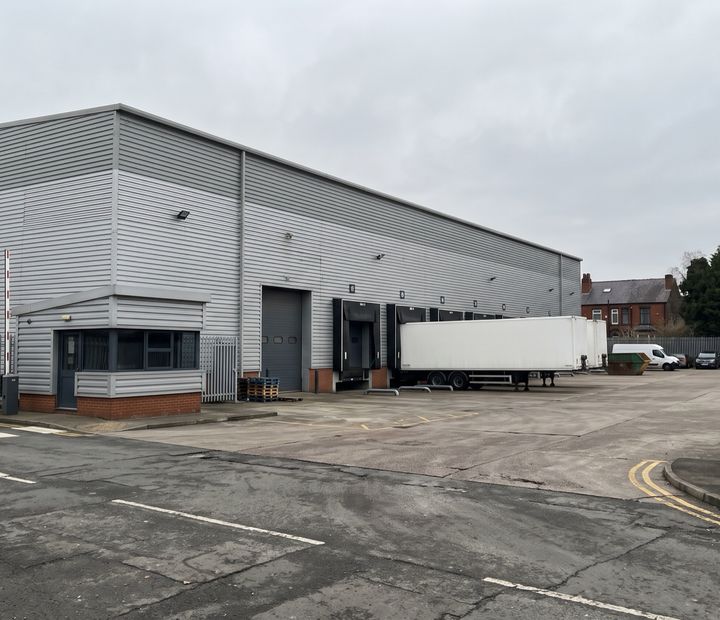
Birkenhead’s dock estate is split into two large docks, the East Float and the West Float, both formed from the old tidal inlet of Wallasey Pool. Bulk cargo still crosses the quays, ships come in for repair and layup, and the Twelve Quays terminal sends freight and passenger vehicles to Dublin and Belfast. A dock estate gives brown rats water on every side, spillage around loading areas and long runs of quay wall and pipework to travel unseen, while broad roofs beside open water suit gulls.
These quaysides were a flour-milling centre in the early twentieth century, with grain berths serving the mills. Most of the mill buildings were demolished in the 1990s, but two large warehouses on the quays now hold apartments, and Wirral Waters has added offices such as Tower Wharf and the Hythe Building to the same dockland. Residents and office staff expect a clean building beside a working waterfront, and rats and gulls ignore the line between a residential block and a cargo shed, so we look at dockside homes and businesses together.
Our commercial pest control on dockside sites starts with a survey of the boundary, the bin and loading areas and the points where services enter the building, followed by a monitoring plan that records what is found on each visit. On the roofs, bird proofing with netting or wire usually achieves more than repeated clean-ups. It is best fitted before the spring nesting season, because gulls and their active nests are protected and cannot simply be moved on once eggs are laid.
How do the brooks and the old Bidston tip affect rodent activity?
Several small brooks carry water across the peninsula to the Mersey. The River Fender, Arrowe Brook and Greasby Brook all feed the Birket, which passes between Bidston Village and Bidston Moss before reaching the river through Wallasey Pool and the West Float. Further south, the Clatter Brook and Dibbinsdale Brook meet the Mersey at Bromborough Pool. Rats burrow readily into soft banks and are strong swimmers, so gardens, yards and car parks that back onto these watercourses tend to notice activity first, and it often returns after heavy rain floods animals out of low-lying burrows.
Bidston Moss was originally marshland at the head of Wallasey Pool; most of it served as a landfill tip from the 1930s until the mid-1990s, and it is now a nature reserve. Bidston also has the Bidston Moss Retail Park next to junction 1 of the M53, a supermarket on the former steelworks site and one of the borough’s main waste and recycling centres. Rough cover, water, waste in transit and large service yards in one area give rats most of what they need. Units there gain more from regular external checks of compactor areas and loading bays than from waiting for a sighting on the shop floor.
In homes, we look for the route in, often a cracked drain, a gap under a door or a void behind a bath panel, deal with the activity and then close the route so the problem does not come back when the weather turns. Wirral Council’s separate food waste collection helps when caddies stay shut, but a split bag left by a back gate will still draw rats in from the nearest bank.
What does food production at Bromborough and Moreton mean for pests?
East of the A41 at Bromborough, the industrial land by the former dock holds a breakfast cereal factory and a peanut processor, close to what was once the borough’s main landfill site and is now a riverside walkway. Moreton adds a biscuit factory and the Tarran Way estate, which is mainly car repair and light industry. Cereals, nuts and biscuit crumb are what stored-product insects such as Indian meal moth, flour beetles and grain weevils feed on, and what mice will chew through packaging to reach.
For these sites, pest control is largely about evidence. Food hygiene law requires adequate procedures to control pests, and auditors and environmental health officers expect a site plan, numbered monitoring points, dated visit reports and a log of the proofing or hygiene actions raised. Insect monitors near intake and dry-goods stores give early warning, and pheromone lures show whether moths are building up in one aisle before they reach finished stock. The Prevention of Damage by Pests Act 1949 also obliges occupiers to tell the council when rats or mice are on their land in substantial numbers.
What changes indoors, from Tranmere terraces to Bidston cottages?
Housing thins out from east to west. Roughly two-thirds of the peninsula’s people live on a third of its land, in Birkenhead and Wallasey, while the west and south are more rural. Tranmere mixes Victorian terraces with industrial buildings, and terraces share roof spaces, under-floor voids and drainage runs, so mice found in one house have often come through from the next. Treating one property while the neighbours do nothing tends to buy a short pause rather than a fix.
Bidston Village is a different case: its old core is former farmhouses and cottages in local red sandstone, many of them Grade II listed. Gaps in old masonry and timber let in mice and, in summer, give wasps a place to build, yet proofing on a listed building has to respect its fabric, and fixings that alter its character may need listed building consent. In New Brighton, housing spread up the hillside above the estuary, and many of the larger houses were turned into modest hotels in the late nineteenth century. Wherever a big house holds several households or a stream of guests, bed bugs can pass between rooms on luggage and through shared walls.
Just under one in five Wirral households rented privately at the 2021 Census. For landlords and letting agents we can attend each address, arrange access with the tenant and set out in writing the repairs that would stop pests coming back.
Where does Wirral Council’s service stop?
Wirral Council still treats homes, but every domestic job is charged with no concessions and paid by card in advance, and its full list and charges are on its pest control page. The page does not mention birds, squirrels or moles, so gull and pigeon problems and squirrels in a loft fall to private providers. The rat service is worded around a home or a garden serving one home, so for a shared yard or a communal bin store it is worth asking the council whether it will attend. Businesses can use the council too, charged by time, with contract work quoted after a survey.
Late wasp nests are the other gap, since the council’s wasp season ends on 31 October and a mild autumn can keep colonies busy after that. Our wasp and hornet nest removal carries on through that period, and we can tell you when an empty nest can simply be left.
How do we plan visits across the water from Warrington?
Wirral is the one part of Merseyside that does not touch the rest of the county; the two Mersey tunnels, the Wirral line and the ferry are its links across the river. From our Warrington base the motorway network brings us onto the M53, which runs the length of the Wirral from near Chester, while the tunnels tie our Wirral rounds to the work we do in Liverpool. We group Wirral appointments by area, book follow-up visits at the first appointment and keep contract visits on fixed days, so site managers and householders know when to expect us.
What Wirral Council offers
Wirral Council still treats homes, but every domestic job is charged, with no concessions, paid by card in advance and booked by phone on weekdays. Its household list is rats in a home or a garden serving one home, indoor mice, cockroaches, ants, fleas, bed bugs and wasps (1 June to 31 October only), and cockroach and bed bug jobs need a sample identified first. Businesses are charged by time and invoiced, with contracts quoted after a survey. The page does not list birds, squirrels or moles; current charges are published there.
Council pest control page (checked 2026-10-24).
Our services in Wirral
Rat & Mouse Control in Wirral
Brooks draining to the Birket and the Mersey, the dock water at the Floats and the old Bidston tip give brown rats cover and water close to homes, retail service yards and dockside buildings.
Commercial Pest Control in Wirral
Cereal and peanut processing at Bromborough, biscuit making at Moreton and bulk cargo on the Birkenhead docks all call for scheduled monitoring and records an auditor can follow.
Bird Control & Proofing in Wirral
Dock buildings and big retail units, such as those at Bidston Moss and the Croft, are the type of premises gulls and pigeons settle on, and the council's pest page lists no bird service.
Cockroach Treatment in Wirral
Commercial kitchens, including the restaurants and cafe bars at Marine Point, and older blocks with shared ducts give cockroaches warmth and cover, and the council treats only once a sample is identified.
Wasp & Hornet Nest Removal in Wirral
The council's wasp service closes on 31 October, yet nests in sandstone cottages and suburban roof spaces can stay active later in a mild autumn.
Bed Bug Control in Wirral
Guest rooms such as the hotel at Marine Point in New Brighton, and Wirral's growing share of privately rented homes, mean bed bugs can travel between rooms, lets and visitors.
Other services available in Wirral:
Local factors behind pest problems in Wirral
- Birkenhead's East Float and West Float were formed from the tidal inlet of Wallasey Pool and are still used for bulk cargo, ship repair and layup. [Wikipedia]
- The Birkenhead dock quaysides were a flour-milling centre in the early twentieth century, with grain berths serving the mills; most mill buildings were demolished in the 1990s. [Wikipedia]
- The River Fender, Arrowe Brook and Greasby Brook feed the Birket, which reaches the Mersey through Wallasey Pool, while the Clatter Brook and Dibbinsdale Brook enter the river at Bromborough Pool. [Wikipedia]
- Bidston Moss, once marshland at the head of Wallasey Pool, was largely used as a landfill tip from 1936 until the mid-1990s and is now a nature reserve; Bidston also has a retail park and one of Wirral's main waste and recycling centres. [Wikipedia]
- East of the A41 at Bromborough, the industrial land by the former dock includes a breakfast cereal factory and a peanut processor, next to Wirral's former main landfill site. [Wikipedia]
- Moreton is home to the Burton's biscuit factory and the Tarran Way Industrial Estate, which is mostly car repair and light industry. [Wikipedia]
- About two-thirds of the peninsula's population lives on a third of its land, in Birkenhead and Wallasey, with more rural country to the west and south. [Wikipedia]
- Tranmere, a suburb of Birkenhead, is a mix of industrial buildings and Victorian terraced housing. [Wikipedia]
- Private renting in Wirral grew from 15.8% of households in 2011 to 18.9% in 2021. [Office for National Statistics]
- Wirral Council runs a separate food waste collection alongside its recycling, garden waste and general waste bins. [Wirral Council]
Pest control in Wirral: frequently asked questions
Do you cover all of Wirral, including Wallasey, Bromborough and Heswall?
Yes. We cover the whole borough across the CH41 to CH49 and CH60 to CH63 postcode districts. That includes Birkenhead and Prenton, Wallasey and New Brighton in CH44 and CH45, Moreton and Leasowe in CH46, Hoylake and West Kirby in CH47 and CH48, Bromborough and Port Sunlight in CH62, and Heswall in CH60. Homes and business premises are booked the same way, and we group visits by area so follow-ups land on the same round.
What does Wirral Council offer for pest control?
Wirral Council treats a fixed list of household pests: rats in a home or a garden serving one home, indoor mice, cockroaches, ants, fleas, bed bugs and, from 1 June to 31 October only, wasps. Every domestic treatment is charged, with no concessions, paid by card in advance and booked by phone on weekdays, and cockroach or bed bug work starts with a sample being identified. Businesses are charged by time, with contract work quoted after a survey. Current charges are on the council's pest control page.
Will anyone on Wirral deal with gulls, pigeons or squirrels?
The council's pest control page does not mention birds, squirrels or moles, so these fall to private firms. All wild birds, gulls and pigeons included, are protected under the Wildlife and Countryside Act 1981, which makes proofing with netting, spikes or wire the main tool, and a gull nest with eggs or chicks cannot simply be cleared away. Grey squirrels in a loft are trapped and the entry points sealed; releasing a caught grey squirrel is illegal. We handle gulls, pigeons and squirrels for homes and businesses alike.
Why do rats keep turning up near the brooks on Wirral?
Several brooks cross the peninsula on their way to the Mersey, including the Fender, Arrowe Brook and Greasby Brook, which drain into the Birket. Brown rats dig into soft banks, swim well and travel along watercourses at night, so gardens and yards backing onto them usually see activity first, especially in autumn and after heavy rain. Treatment holds best alongside proofing: sound drains, closed food-waste caddies and compost bins, and mesh across gaps under sheds and decking.
Can you remove a wasp nest after the council's season ends in October?
Yes. Wirral Council's wasp service runs from 1 June to 31 October, but in a mild autumn some colonies stay active into November, and we treat them for as long as they are. Once hard frosts arrive the workers die and new queens leave to hibernate elsewhere. Wasps never reuse an old nest, so an empty one found in a loft over winter can normally be left alone or taken down without any treatment.
Do you work with food manufacturers and retail parks on Wirral?
Yes. Food production at Bromborough and Moreton and the units at the Bidston Moss and Croft retail parks are better served by regular monitoring than by one-off call-outs. A contract sets visit frequency by the risk on site, places numbered monitoring points for rodents and insects, and leaves a dated report after each visit for your audit file. We also flag the proofing and housekeeping fixes that matter most, from loading doors left open to spillage under racking.
Who should pay for pest control in a rented home on Wirral?
It depends on the cause and the tenancy agreement. As a broad rule, pests that get in through disrepair, such as broken drains, gaps in brickwork or damaged air bricks, are for the landlord to resolve, because landlords must keep the structure in repair and the home fit to live in. Problems that stem from a tenant's own housekeeping, or that arrive with their belongings, may fall to the tenant. We can agree the approach with the landlord or agent and the tenant before the first visit, and put the repairs needed in writing.
Nearby areas we also cover
Sources (9)
Last updated: